- $20 Flat Rate Shipping. Free Shipping on Orders over $200. Allow 8-10 Business Days for Delivery.

Lifestyle
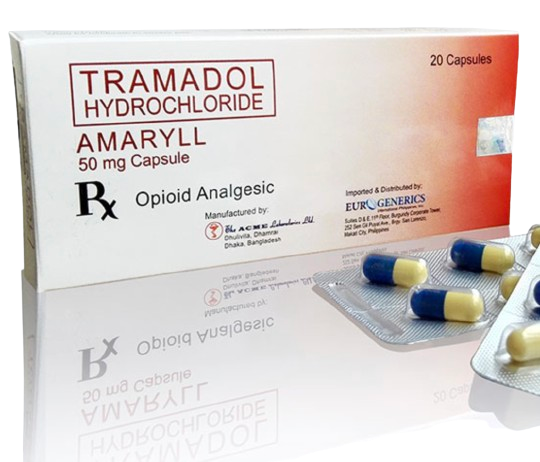
Tramadol – 10 x 50mg Capsules
$25.00
Tramadol 50 mg is a prescription opioid analgesic used to manage moderate to moderately severe pain when medically appropriate. It works by acting on opioid receptors and influencing neurotransmitters involved in pain regulation. Tramadol carries risks of dependence, addiction, and serious side effects, so it should only be used as prescribed by a qualified healthcare professional.
Tramadol is a prescription opioid analgesic used to manage moderate to moderately severe pain when other treatment options are insufficient or inappropriate. Healthcare professionals may prescribe it for selected acute or chronic pain conditions, depending on the patient’s medical history, pain severity, and individual treatment needs.
How Tramadol Works
Tramadol works through two primary mechanisms. It binds to mu-opioid receptors in the central nervous system and inhibits the reuptake of serotonin and norepinephrine, neurotransmitters involved in the body’s pain-modulation pathways. Together, these actions contribute to its analgesic effects.
Potential Uses
Tramadol may be prescribed for certain types of pain when a healthcare professional determines that opioid treatment is appropriate. The specific formulation, treatment duration, and dosage depend on the patient’s condition and clinical assessment.
Safety, Side Effects, and Dependence
Although tramadol may be an appropriate treatment for some patients, it carries risks of misuse, addiction, physical dependence, and potentially life-threatening respiratory depression. It should not be considered risk-free or assumed to be safer than other opioids for every patient.
Common side effects may include nausea, dizziness, constipation, vomiting, and drowsiness. Serious risks include seizures, serotonin syndrome, and breathing difficulties, particularly when tramadol is combined with alcohol, sedatives, or certain other medications.
Formulations and Medical Guidance
Tramadol is available in different formulations, including immediate-release and extended-release products. These formulations are not interchangeable without professional guidance and have different dosing requirements.
Use tramadol only under the supervision of a qualified healthcare professional. Follow the prescribed instructions, avoid alcohol and unapproved medication combinations, and store the medication securely away from children and anyone for whom it was not prescribed.


